
A few years ago, video podcasting was optional. Today, with YouTube becoming a dominant podcast platform and short-form clips driving discovery on every major social platform, the question has shifted from whether to add video to how and when.
The Case for Audio-Only
Audio is more accessible, faster to produce, and easier to consume on the go. For long-form interviews, narrative shows, and educational content, audio-only remains completely viable with massive audience reach. If adding video would slow your release cadence, that tradeoff is almost never worth it.

The Case for Video
Video expands your distribution surface dramatically. Every episode becomes potential YouTube content, and every strong moment becomes a short form clip for TikTok, Reels, or YouTube Shorts. Video also deepens the parasocial connection between host and audience, seeing a face builds loyalty faster than a voice alone.
What Video Actually Requires
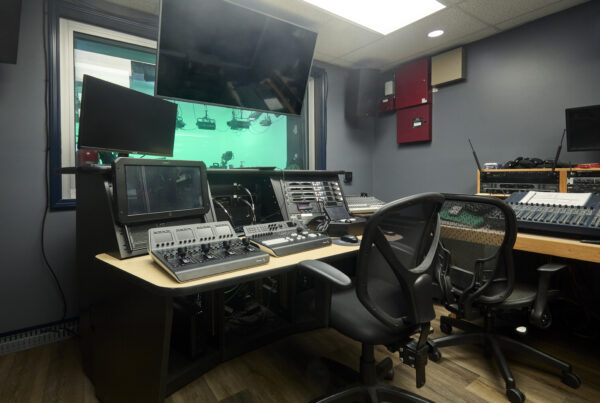
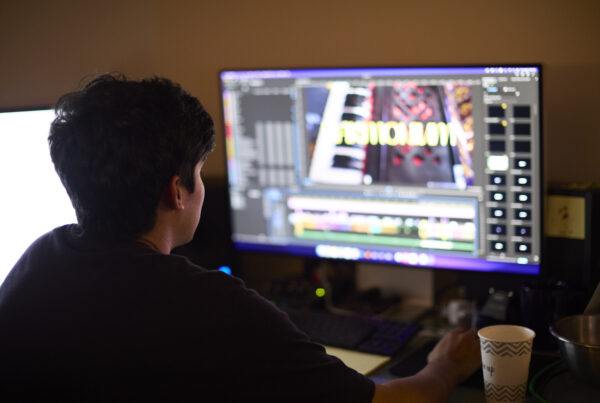
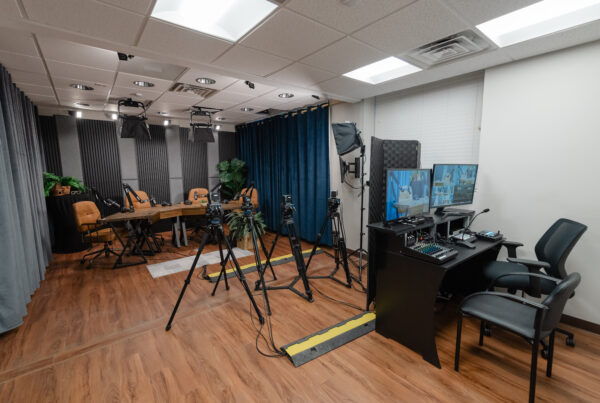
Going video well means clean lighting, at least one good camera, a visually intentional backdrop, and the post-production capacity to edit video rather than just audio. This is why many creators choose to record in a professional multi-camera studio rather than upgrading their home setup piece by piece.

The Clips Strategy Changes the Equation
The full-length video episode isn’t the point, the clips are. A 90-minute interview recorded on video generates 10 to 20 short-form clips, each one a discovery opportunity for someone who’s never heard your show. Creators who think of video as a content multiplication engine get the most out of the format.
👉 AIB Studios’ multi-camera podcast setup is built for exactly this workflow. Record once, clip everywhere.